Spotify’s licensing agreement with Believe for AI-powered fan covers and remixes is a significant test of whether generative music features can be built around artist consent and compensation. Announced October 20, 2026, the deal covers participating artists and labels distributed through Believe and TuneCore.
Spotify says its forthcoming tool is intended for reinterpretations of existing songs rather than entirely new works. Streams of eligible remixes are expected to generate royalties for participating artists and the rights holders behind the originals. The feature is planned as a paid add-on for Premium subscribers, but the company has not announced a launch date or price.
Consent is the key distinction
Believe says participation will be voluntary and use a two-step process. Artists first opt in to being considered for AI-related programmes, then decide whether to participate in this specific tool. A distributor relationship alone should not be interpreted as permission for every track in a catalogue to be remixed.
This distinction matters for independent artists, who may own their master recordings but have separate publishing arrangements for compositions and lyrics. A remix can involve both sets of rights, and a distributor may not control every permission required for every use.
What independent artists should check
- Scope: which recordings and compositions are eligible, and in which territories?
- Revenue statements: will the reporting identify each remix and show how revenue is allocated?
- Credits: how will the original artist, songwriter and remix creator be displayed?
- Withdrawal: can an artist opt out later, and what happens to remixes already created?
- AI disclosure: what will listeners see about the role of generative tools?
Why this is different from open AI generation
The proposal brings fan remixing into a licensed platform environment and links remixes back to original tracks. That may create a new discovery route for catalogue music, but the actual benefit will depend on how the final product handles permissions, attribution, royalty calculations and misuse.
Spotify has also described efforts to remove spam from recommendations and expand AI credits and artist-profile protections. Those initiatives underline a broader industry challenge: supporting legitimate creative experimentation without allowing impersonation, mass-upload spam or misleading metadata to undermine trust.
What remains unknown
The public announcement does not provide the full terms of the agreement, a final royalty formula or a public launch timetable. Artists should wait for their distributor’s specific participation terms rather than assuming that all AI covers will be permitted or monetised under the same rules.
Sources
- Spotify Newsroom: Believe and Spotify Partner to Unlock New Opportunities for Artists Through Licensed Fan Remixes and Covers
- Spotify: One Year In — Putting Human Artistry First
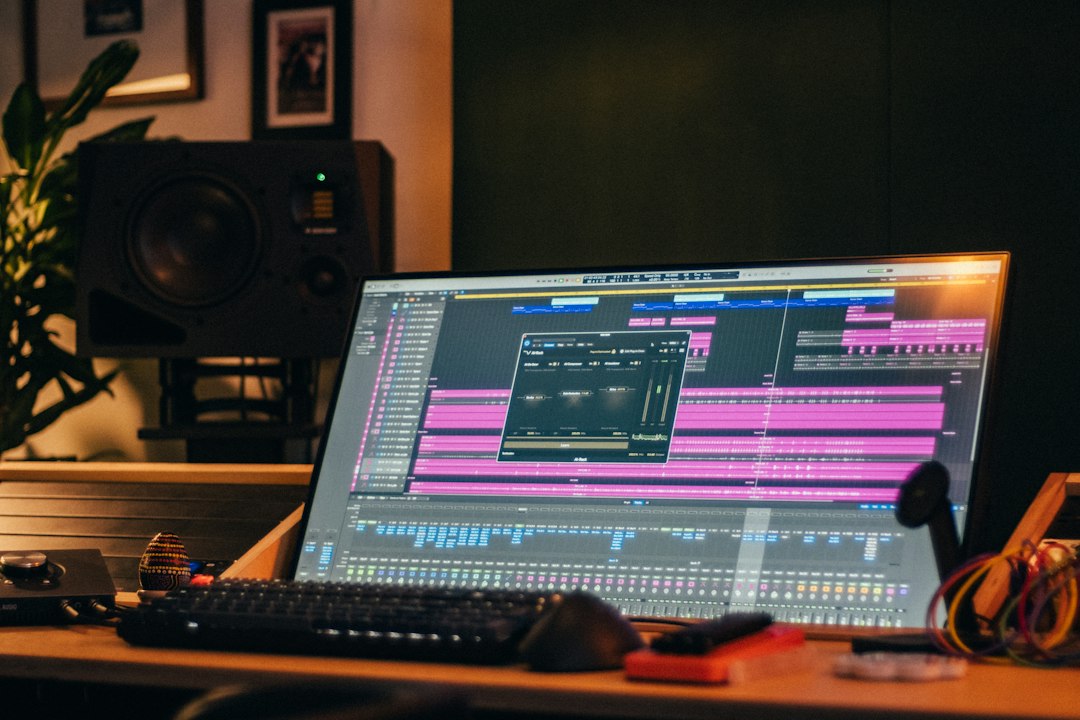
Illustrative image of audio production software. Photo by Techivation via Unsplash.